

Where Iron Fuel Creates Impact
Iron fuel enables carbon-free energy across multiple sectors — from industrial heat to long-duration energy storage.
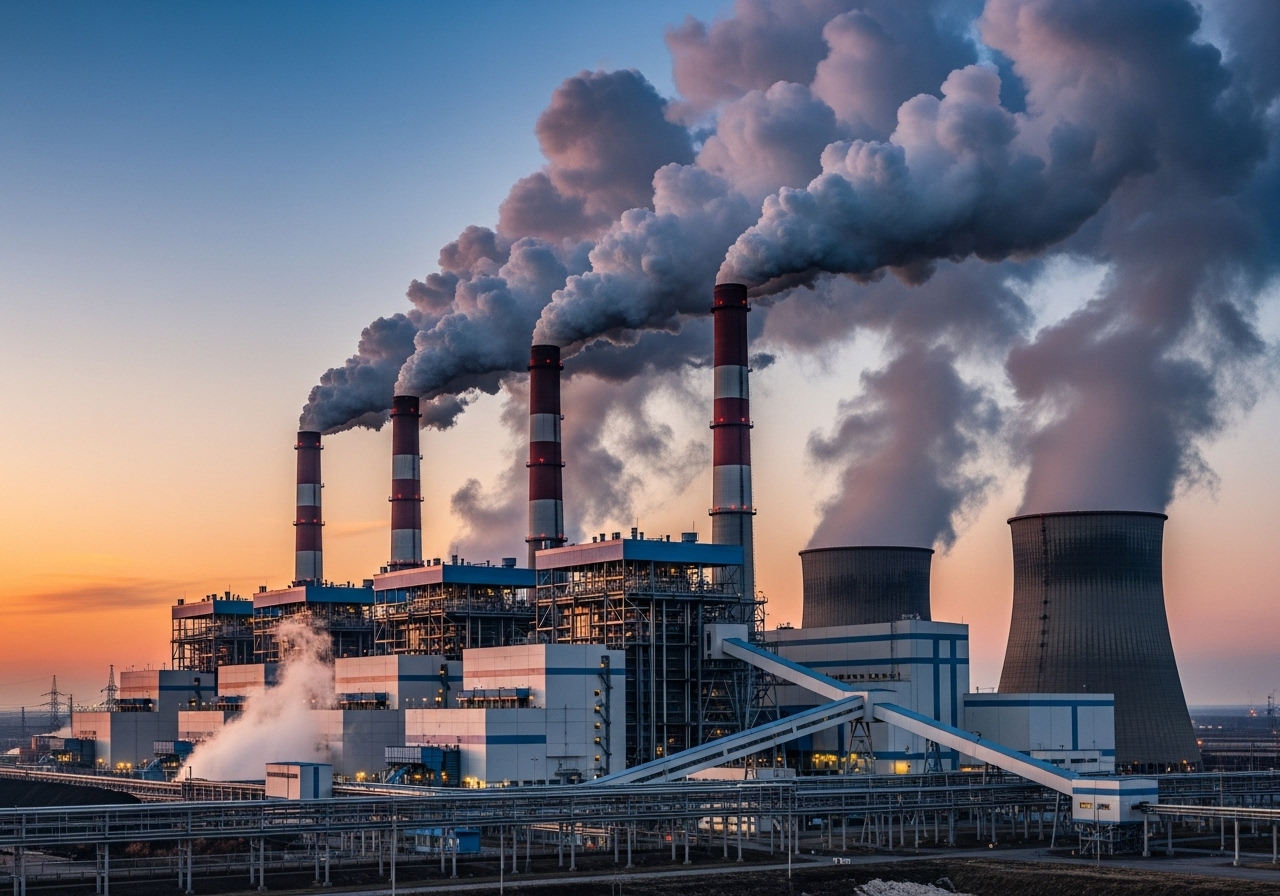
How Iron Fuel Transforms Industries
Why Iron Fuel Works Where Others Don’t
Significantly reduces NOx and eliminates SOx — achieving cleaner combustion with no toxic emissions.
Retrofits easily into existing boilers and furnaces — enabling rapid decarbonization without major investment.
Operates safely without pressure or toxicity — no cryogenic handling, no explosion risk.
Delivers stable, controllable high-temperature heat — ideal for industrial operations.
Creates a closed energy loop — oxidized iron can be fully regenerated using renewable power.
Frequently Asked Questions
Iron is the most abundant metal resource on Earth, ensuring stable, low-cost supply on a global scale.
Unlike hydrogen or ammonia, iron fuel is a solid, non-toxic, and easy-to-handle energy carrier that can be stored and transported using existing bulk logistics — no high-pressure tanks or cryogenic systems required.
Yes. Iron fuel can be applied as a drop-in replacement for coal in boilers, kilns, and furnaces with minor modifications only.
This retrofit compatibility enables industries to decarbonize quickly and economically, without large capital investment or long downtime.
Iron fuel combustion generates no CO₂, virtually no SOx, and significantly lower NOx emissions compared to coal or ammonia.
It meets stringent environmental standards while avoiding the pollutants and safety risks associated with fossil or chemical fuels.
The oxidized iron (Fe₂O₃) can be fully regenerated into iron using renewable power or green hydrogen — creating a closed, circular energy cycle.